8 Amazing Health Benefits of Nutmeg

8 Amazing Health Benefits of Nutmeg

8 Amazing Health Benefits of Nutmeg

  • Nutmeg aids sleep. When we were children, our grandmother would give us a glass of milk with a pinch of powedered nutmeg. “It will help you sleep better,” she would say. And it did.
  • A dusting of nutmeg adds aroma and enhances the taste of your food. It also gives you trace minerals that keep the immune system strong. Potassium, calcium, iron and manganese are among key minerals found in nutmeg.
  • Just a little nutmeg, ground and mixed with water or honey into a paste, can make skin look clearer and brighter within a few days, reducing scars and alleviating acne. You can also add nutmeg to your face scrub for the same benefits.
  • For centuries, nutmeg has been used as a medicinal spice that brings relief from digestive problems. So grate a little nutmeg into your soups and stews for a boost of flavor and a healthy gut!
  • The star spice in dental care has traditionally been clove. But few might know that nutmeg too has proven antibacterial properties that protect the teeth and gums. Nutmeg oil has eugenol, which brings relief from toothache. That’s why you often find it listed among the ingredients of toothpaste. Combined with cinnamon, it makes a powerful antiseptic, antimicrobial paste.
  • Nutmeg keeps the brain sharp! It contains a natural organic compound called myristicin, which is known to shield your brain against degenerative disease such as Alzheimer’s.
  • The essential oil of nutmeg brings relief from muscular and joint pain.  Apply it to a localized area of swelling and discomfort, and feel the pain melt away.
  • In holistic medicine, nutmeg is often prescribed to rev up blood circulation and treat kidney infections. Traditional healers believe it also strengthens the liver.
A note of caution: It is almost impossible to overuse nutmeg, because all you need is a tiny dusting of it to reap its taste and nutrition benefits. Even so, I must state that overuse of nutmeg is known to cause palpitations, sweating, hallucination and other discomforts, so do use this wonder spice in moderation.

Please Visit Our  WEBSITE www.happygreengarden.com

7 Lavender Oil Benefits and Studies

7 Lavender Oil Benefits and Studies

7 Lavender Oil Benefits and Studies

lavender for skin

1. Antioxidant Protection

Arguably the most dangerous and most common risk factor for every disease that affects Americans, free radicals (toxins, chemicals, pollutants, etc.) are responsible for shutting down your immune system and can cause unbelievable damage to your body.
So, what’s the solution?
Antioxidants!
The body’s natural response is to create antioxidant enzymes – especially glutathione, catalase, and superoxide dismutase (SOD) – which prevent these free radicals from doing their damage.
Unfortunately, your body can actually become deficient in antioxidants if the free radical burden is great enough. Sadly, this has become relatively common in the U.S. because of poor diet and high exposure to toxins.
Thankfully, natural options abound, such as lavender essential oil, which has been proven to be nature’s antioxidant super hero.
For instance, researchers from China have recently discovered that lavender essential oil helps your body produce three of your bodies most powerful antioxidants, glutathione, catalase, and SOD within 22 hours of using lavender essential oil!
Also, Romanian scientists have seen similar results after just seven days of inhaling lavender essential oil vapor for 60 minutes a day.  They found that diffusing lavender oil protected cells from damage that can lead to cancer.
*I have many of my patients use a diffuser with their essential oils for health benefits.  I personally have one going on the desk of my office and then we have the diffuser going in the living room during the day.

2. Diabetes Treatment

Possibly the most exciting of all research concerning lavender came out in 2014. Scientists from Tunisia set out to complete a fascinating task: to test the effects of lavender essential oil on blood sugar to see if it can help diabetes.
During the 15-day study, the results observed by researchers were absolutely amazing. In a nutshell, lavender essential oil treatment protected the body from the following symptoms of diabetes: 
  • Increase in blood glucose (the hallmark of diabetes)
  • Metabolic disorders (especially fat metabolism)
  • Weight gain (ever wonder why as diabetes continues to rise, so do our waistbands!)
  • Liver and kidney antioxidant depletion (one of the reasons diabetes is lethal)
  • Liver and kidney dysfunction (ditto)
  • Liver and kidney lipoperoxidation (when free radicals “steal” necessary fat molecules from cell membranes)
Surprisingly, the radical-scavenging antioxidant activity of lavender was actually more robust than ascorbic acid (Vitamin C)!
Does this tell us that lavender essential oil should be used as a treatment option for diabetics? Maybe.
It’s just one study, but a powerful study nonetheless! We look forward to more research on this topic as natural approaches to diabetics continue to fill the scientific literature.
*You can apply lavender essential oil topically on your neck and chest, diffuse it in the air, or supplement with it for the health benefits.  

3. Improves Mood and Supports Brain

In addition to the groundbreaking diabetes research we just saw, 2013 was the year lavender was put on the pedestal for its unique ability to protect against neurological damage.
Traditionally, lavender has been used to treat neurological issues like migraines, stress, anxiety, and depression so it’s exciting to see that the research is finally catching up to history.
Just last November, for instance, an evidence-based study was published by the International Journal of Psychiatry in Clinical Practice.  
The study found that supplementing with 80 mg capsules of lavender essential oil alleviates anxiety, sleep disturbance and depression.
Additionally, in the study there were no adverse side effects from using lavender oil to treat anxiety, insomnia and depression.  Whereas we know pharmaceutical drugs like prozac have dangerous side effects.
And according to research, lavender essential oil benefits don’t stop there, it has also been shown to reduce symptoms and development of Alzheimer’s disease!
Last year, the journal Phytomedicine published a study which highlighted that inhaling lavender essential oil vapor for 60 minutes a day was shown to prevent brain oxidative stress in rats with dementia.
Another study published in 2012 took 28 high-risk postpartum women and found that by diffusing lavender in their home they had a significant reduction of postnatal depression and reduced anxiety disorder after a four-week treatment plan of lavender aromatherapy.
Also in 2012, the Swiss journal Molecules printed the results of a study that shockingly proved that lavender is a viable treatment option for stroke. Yes stroke!
Another study proving that lavender aromatherapy improves mood was done on people suffering from post-traumatic stress disorder (PTSD).
The results revealed that just 80 mg of lavender oil per day helped decreased depression by 32.7% and dramatically decreased sleep disturbances, moodiness, and overall health status in 47 people suffering from PTSD.
*To relieve stress and improve sleep, put a diffuser by your bed and diffuse oils while you sleep at night or in the family room while you’re reading or winding down in the evening.  Also, can be rubbed topically behind your ears for the same benefits.

4. Lavender Heals Burns and Cuts

Widely known for its antimicrobial properties, lavender has a rich history of being used to prevent various infections and combat bacterial/fungal disorders. In fact, almost 100 studies have been conducted establishing this truth over and over again.
Also, we have found that lavender oil speeds the healing of burns, cuts, scrapes and wounds and a big part of this is because of it’s anti-microbial properties.
For example, in a study evaluating how lavender’s antimicrobial ability is enhanced when blended with other essential oils like clove, cinnamon and tea tree oil. Specifically, a 1:1 ratio of these oils was found to be the most effective in fighting against Candida albicans and Staph aureus, which are both common causes for many fungal and bacterial infections that lead to respiratory pneumonia and skin funguses.
*For burns or eczema, mix lavender oil with Coconut oil in 1:5 ratio for rapid healing.

5. Lavender Oil Benefits Skin 

Most likely due to its antimicrobial and antioxidant characteristics, lavender essential mixed with aloe or coconut oil has profound benefits on your skin.
Just 10 drops per 1 ounce of aloe vera or oil will sooth the worst sunburn and bring rapid healing to dry skin, minor cuts and scraps.
Research has even proven its ability to speed recovery from canker sores and can prevent allergic reactions!
Want to reduce age spots?  Try mixing lavender oil with frankincense essential oil and put it on your skin first thing in the morning, right after you shower and right before bed.  Success stories of these two oils improving age and sunspots are numerous.

6. Lavender Oil for Headaches

There are millions of people around the world who struggle with both tension headaches and migraine heartaches who are searching for a natural alternative to drugs. According to new medical research, lavender oil may just be that natural cure they are looking for.
According to a study published in the European Journal of Neurology people struggling with migraine headaches saw a significant reduction in pain when they inhaled lavender oil for 15 minutes.
Probably the most effective natural treatment for headaches is combing lavender oil with peppermint oil and rubbing these oils on the back of the neck, the temples on the lateral side of the forehead along with inhaling it. Typically 2 drops of each oil in the palm of your hand then rubbed into the areas works perfectly.

7. Lavender for Sleep and Insomnia 

A study on college students found that using lavender oil improved the overall quality of sleep by 60%. This included length of sleep, time it took to fall asleep, restfulness and reduced symptoms of insomnia.
Another study published in the Journal of Alternative Complementary Medicine found that lavender oil showed immediate improvements on 5 men and 5 women who struggled with insomnia.
If you are trying to improve your quality of sleep diffusing lavender before or during sleep can help. Also, you can rub it directly on your neck, chest and temples which is also effective.
If you do struggle with sleep I have found that making a mixture of lavender oil, roman chamomile oil and magnesium oil is the best overall combination in improving sleep.
And finally, taking a healing bath by adding 15 drops of lavender oil and 1 cup of epsom salts to the bathtub is another effective way to use lavender oil to improve sleep and relax the body.

Lavender Oil Uses at Home

As a Natural Perfume

Do you want to smell good without using toxic perfumes? Lavender oil is a great scent for women and for men too. You can either try adding pure oil directly to your skin, or you can dilute oil in water for a more subtle scent.
If you’d like to rub the oil right onto your skin, try adding 2-3 drops into your palms and then rubbing your hands together. Then add the oil directly onto on your skin, clothes, or hair. You can also try using 2 drops of lavender oil added to a spray bottle with about ½ cup of water. Shake up the spray bottle and then spray whatever you’d like. You may also want to consider combining lavender oil with other relaxing oils, like cedar wood essential oil or frankincense essential oil. Combining different oils means you have lots of versatility when it comes to different scent options, without needing to purchase many different bottled, expensive perfumes.

As a Non-toxic Air Freshener

The same way you use lavender oil as a perfume, you can use it around your home as a natural, toxic-free air freshener. Either spray lavender oil around your home or try diffusing it. To create a relaxing atmosphere in your bedroom before you fall asleep, try spraying the lavender oil and water mixture directly onto your bed sheets or pillow. You can try the same method in your bathroom as well, and also on your bath towels. Before taking a relaxing bath or shower, spray your towel with lavender oil so its relaxing scent is waiting for you when you step out of the shower.

As a Natural, Chemical-Free Lip Balm

Lavender oil is excellent for preventing sun burns on the lips and also healing chapped, dried lips. Try adding a couple of drops of oil to shea butter, jojoba oil, coconut oil/coconut butter, or another “carrier oil” and then rubbing it into your lips for protection whenever you will be in the sun. If you are sun burned in other areas on your body, try using the same method to heal the skin more quickly and prevent itchiness and pealing that can result after a bad sun burn.

As a Remedy for Stomach Discomfort

Many people find the scent of lavender to be soothing to the stomach. If you are feeling nauseous, or know that you are going to be traveling in a car of plane and are prone to motion sickness, spray some lavender oil on your skin and clothes or rub it into your temples, next, and palms.

As a Secret Flavor Booster in Healthy Recipes

Lavender is a great flavor enhancer in things like grain-free muffins, teas, and even salad dressings. Lavender oil is completely edible, but you will want to use a very small amount since the taste is very powerful. Try adding 1-2 drops to your recipes for a surprising flavor booster. Lavender is said to pair perfectly with things like dark cocoa, pure honey, cranberries, balsamic vinaigrette, black pepper, and apples.

Lavender Oil Side Effects to Consider

For most people, using lavender oil is completely safe, however there has not been an extensive amount of scientific research done on lavender oil interactions with other medications, or for its use in pregnant women, so there are certain situations where you will want to use caution.

Medication Interactions

If you are already taking any prescription medication for sleep related disorders or for depression, be cautious of the fact that lavender can increase the effectiveness of these medications. Even if you use an over-the-counter sleep aid or any type of sedatives (even cough or flu medicine), keep in mind that lavender makes many people sleepy and even somewhat drowsy, so it’s best to not combine lavender oil with other medications or sleep-related supplements. If you are planning on having surgery or undergoing anesthesia in the near future, you will also want to avoid using lavender oil.

Pregnant Women and Children

There has not been enough research done at this time to show that lavender oil is completely safe for pregnant women or women who are nursing. Because it can have a relaxing effect on muscles and can also effect hormone levels, it’s not recommended that women who are in their third trimester use lavender oil. It’s best to speak with your doctor about use of any essential oils when pregnant, since it has not been guaranteed that these are safe at this time.
Lavender oil is considered generally safe for children to use, although there is some concern that lavender’s effect on hormone levels could be harmful for boys who have not yet gone through puberty. Although there isn’t strong evidence for lavender being a hormone disrupter (only 1-2 very small studies were ever completed), parents are told to use caution if using lavender oil frequently on young children.

Ingesting Lavender Oil

Studies to date have primarily looked at the effects of using lavender oil topically on the skin or inhalation. There have been no negative symptoms found when 3 drops of oil is mixed with a carrier oil and applied directly to the skin, however not much research has formally been done to look at the effect of swallowing the oil. Most people experience no negative symptoms when consuming lavender oil, but because of it’s high levels of anti-oxidants you would want to keep this to a minimum and be careful if you have a sensitive digestive system. There are no known food interactions of lavender oil at this time.

Where to Buy Lavender Oil?

When buying lavender essential oil make sure you are buying from a high quality brand that is therapeutic grade and that is organic, so it hasn’t been sprayed with chemicals. If you want the brand I personally recommend email Pondokatsiri@gmail.com
As you can see, lavender essential oil benefits are incredible and it has many medicinal and therapeutic uses.


Visit Our Website www.happygreengarden.com
we offer nice price to you
Is Graviola a Cancer Cure?

Is Graviola a Cancer Cure?

Is Graviola a Cancer Cure?

Since it is a natural product not patentable, cannot say this with certainty. Graviola Extract is only a dietary supplement, 100% natural and pure. It might be used as a complement as a dietary supplement in medical treatment because the benefits found in the leaf of Graviola named acetogenins.
There is no incompatibility and unlike, it complements very well with any traditional treatment that the patient is going through. They have absolutely no secondary effects, intolerance reactions or allergies.
The acetogenins derived from long chain fat

ty acids have direct action on the mitochondria, is uses to protect and improve the immune system.
Because the Graviola is a product of a plant that also cleanses the stomach, we recommend taking Graviola extract in a phased manner, from less to more, in order to make the body adjusts to this product.
Other Benefits of Taking Graviola
Graviola, besides being a dietary supplement that might helps in traditional treatment for lung, liver, colon, pancreas, kidney and stomach. It is also traditionally used to combat anxiety states, depression and nervousness.
Graviola is a small tree, vertical, grows 5 to 6 meters in height with large leaves, dark green and shiny. It is native to the rainforest of Peru, Brazil and Puerto Rico. The fruit is sold in local markets in the tropics where it is called soursop guanabana or Brazilian Cherimoya and is excellent for making drinks and sherbets and, though slightly sour-acid, can be eaten out of hand.

Medicine and Graviola go hand in hand.
All parts of the Graviola tree are used in natural medicine as a dietary supplement in the tropics, including bark, roots, fruit, and fruit seeds. The various features and applications are attributed to various parts of the tree. Generally, in many countries said that is being use as fruit and fruit juice, to the treatment of worms and parasites,  and can be used as a complement for diarrhea and dysentery. Some countries use the crushed graviola seeds against internal and external parasites, head lice, and worms .
Active ingredient: Acetogenins

  • Amazing for your Health as a dietary Supplement 100 % natural and pure.
  • Contains an bioactive ingredient knows as acetogenins.
  • Is more concentrate than teas and other product of Graviola.
  • Strengthens the healthy cells.
  • A good diet promotes good heath and prevent the onset of a disease. 
  • Can be used to provide nutritional support to the immune system. 
Visit our website www.happygreengarden.com
we offer nice price for you :)
Moringa Leaf Benefit

Moringa Leaf Benefit

Moringa Leaf

 
Moringa
The Miracle of Moringa Tree Leaves (Moringa Oleifera), commonly called the 'drumstick tree", and 'horseradish tree' is native to India but has been planted around the world and is naturalized in many locales. Moringa is one of the most powerful health-enhancing plants. While many things found in Nature can have one or two health benefits, Moringa has many. India's ancient tradition of ayurveda medicine sites 300 diseases that are treated with the leaves of the Moringa tree. Recent scientific research has proven that these humble leaves are in fact a powerhouse of nutritional value.
 
Moringa leaf is best known as an excellent source of nutrition and natural energy booster. This energy boost is not based on sugar, and so it is sustained. Moringa is also soothing. It helps lower blood pressure and is a sleep aid. Its detoxifying effect may come from Moringa's ability to purify water. Moringa acts as a coagulant attaching itself to harmful material and bacteria. It is believed that this process is taking place in the body as well.
 
While the continued use of Moringa for food and medicinal purposes by cultures in separate and distant parts of the world attest to its beneficial effects, Moringa is a recent “discovery” of modern science. The leaves of Moringa Oleifera are nature's multi-vitamin providing 7 x the vitamin C of oranges, 4 x the calcium of milk, 4 x the vitamin A of carrots, 3 x the potassium of bananas, and 2 x the protein of yogurt. On top of that, science is proving Moringa to be a power house of nutrients; 90 are known to date, with the possibility of more yet to be identified. If that were not enough, Moringa has no known impurities, with no adverse reactions ever recorded.
 
Moringa

Medicinal Qualities of Moringa Leaves

 
  • Juice from the leaves is believed to have a stabilizing effect on blood pressure and is used to treat anxiety. It is believed to control glucose levels in cases of diabetes.
  • Mixed with honey and followed by a drink of coconut milk 2 or 3 times a day, leaves are used as a remedy for diarrhea, dysentery and colitis.
  • Leaf juice, sometimes with carrot juice added, is used as a diuretic. Eating leaves is recommended in cases of gonorrhea because of the diuretic action.
  • Leaves and buds are rubbed on the temples for headache.
  • A poultice is made from fresh leaves and applied to reduce glandular swelling.
  • Leaf juice is used as a skin antiseptic.
  • Leaves are used to treat fevers, bronchitis, eye and ear infections, scurvy, and catarrh (inflammation of the mucus membrane).
  • Leaves are considered to be anthelmintic ( able to kill intestinal worms).
  • Leaves are used as a purgative.
  • Eating leaves is believed to increase a woman's milk production and is sometimes prescribed for anemia.
 

Better Protein Than Soy

 
Moringa is considered to have the highest protein ratio of any plant so far identified, with the protein in Moringa being comparable in quality to that of soy. Food scientists once believed that only soy had protein comparable to meat, dairy, and eggs. Now they have added Moringa to that very short list. Some even consider Moringa protein better than soy protein as it is non-allergic. Proteins are digested into smaller units known as amino acids. Moringa contains 18 of the 20 amino acids d by the human body including all eight of the essential amino acids found in meat products. (Meat is a luxury most people around the world cannot afford). The body cannot manufacture those eight essential amino acids and must get them through the food we eat. Moringa is one of very few plants that contain all eight.
 

More Impressive Than Olive Oil

 
Oleifera is a Latin term meaning oil containing. The Moringa oil, known as ben oil, (due to the high concentration of behenic acid contained in the oil) is extracted from the seeds. Moringa Oleifera seeds contain 35-40% oil by weight and can yield more oil per hectare than sunflower or peanuts. The oil has more impressive attributes than olive oil. It is used in cooking and cosmetics; and because it won’t spoil and turn rancid, it is also used as a preservative and machinery lubricant, even being used as a lubricant in fine watches. What’s left after the oil has been extracted from the seeds is called seed cake, which is used as feed to increase milk production in cows.

PLEASE VISIT OUR OL-SHOP www.happygreengarden.com :)
Health Benefits of Clove Oil

Health Benefits of Clove Oil

Health Benefits of Clove Oil

Andre Kansil (www.happygreengarden.com)


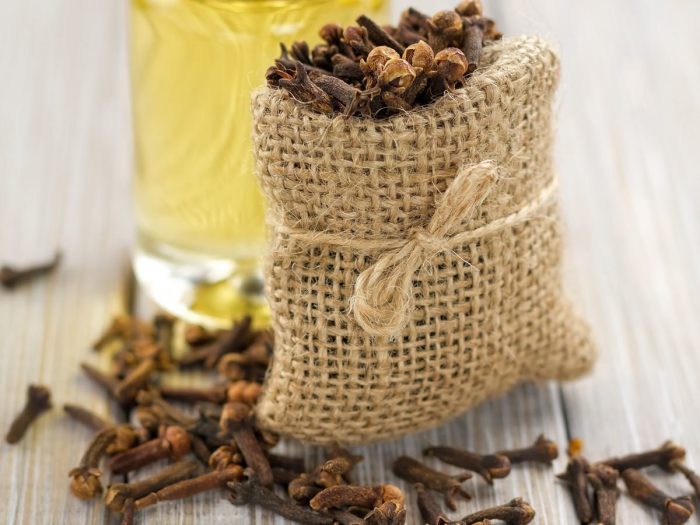
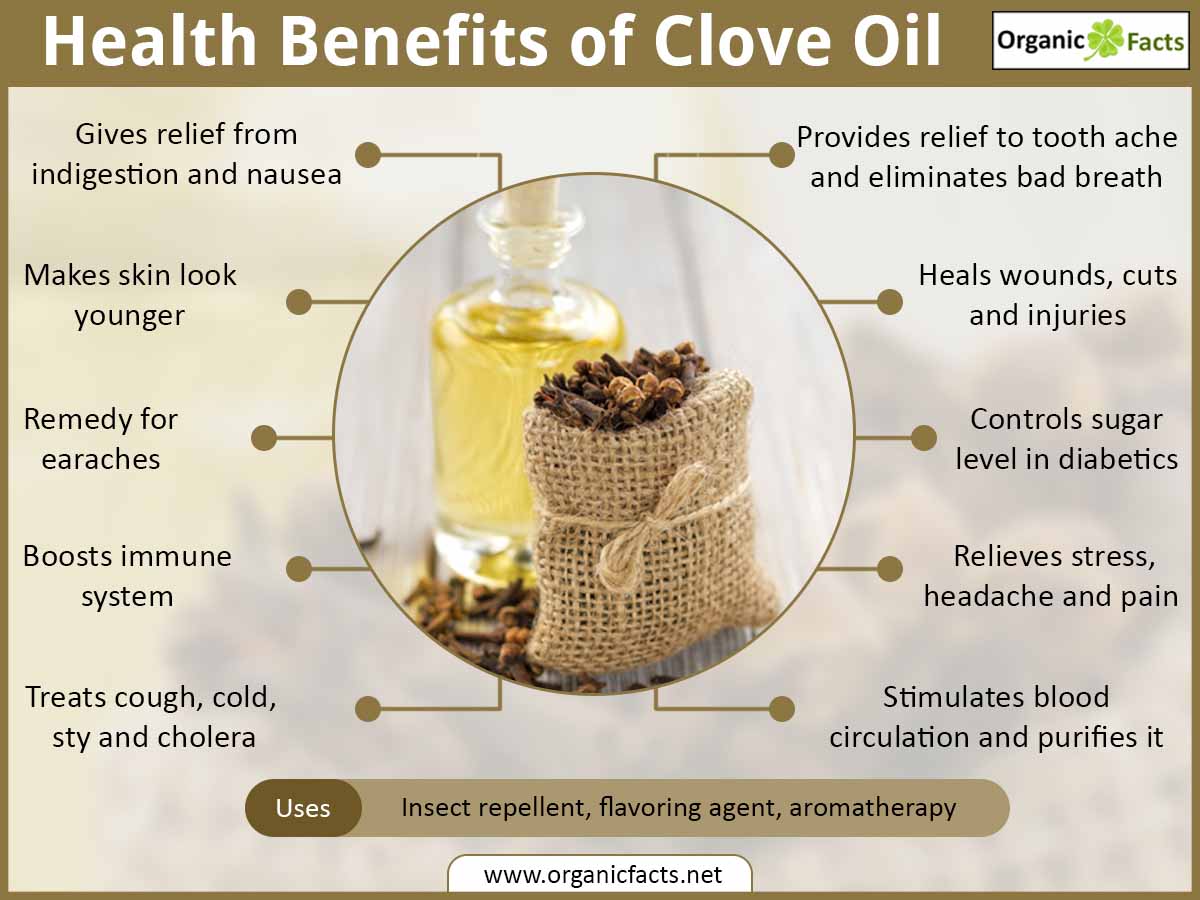
The health benefits of clove oil can be attributed to its antimicrobial, antifungal, antiseptic, antiviral, aphrodisiac and stimulating properties. The oil is used for treating a variety of health disorders including toothaches, indigestion, cough, asthma, headache, stress and blood impurities. The most important and common use of clove oil is in dental care. Several toothpastes, mouth wash and oral care medications contain clove oil as an important ingredient.
Clove is an evergreen tree, which produces a flower bud that has numerous medicinal properties. It is often referred to as clove bud. Clove bud has a shaft and a head and hence it has the Latin name clavus, meaning nail. Clove was extensively used in ancient Indian and Chinese civilizations and it spread to other parts of the world, including Europe, during the seventh and eight centuries. Even now, clove is used in several Indian and Chinese dishes.
Clove is rich in minerals such as calcium, hydrochloric acid, iron, phosphorus, sodium, potassium, and vitamin A and vitamin C.

Health benefits of clove oil

The health benefits of clove oil include the following:
Infections: Due to its antiseptic properties, clove oil is useful for wound, cuts, scabies, athlete’s foot, fungal infections, bruises, prickly heat, scabies, and other types of injuries. It can also be used for treating insect bites and stings. Clove oil is very strong in nature and should always be used in diluted form, and furthermore, it should not be used by people with unusually sensitive skin.
Dental care: As mentioned above, the most prominent use of clove oil is in dental care. The germicidal properties of the oil make it very effective for relieving dental pain, tooth ache, sore gums and mouth ulcers. Clove oil contains the compound eugenol, which has been used in dentistry for many years. Gargling with diluted clove oil helps in easing throat pain and irritation. The characteristic smell of clove oil also helps to eliminate bad breath. Clove is also effective against cavities, and traditionally, in India, clove oil was added to a small cotton ball and put at the end of the tooth which has the cavity every day before going to sleep. The cavity would vanish in a few days. As a result, clove oil is added to numerous dental products and medications, including mouthwash and tooth paste. Dentists also mix clove oil with zinc oxide to prepare a white, filling material as a temporary alternative to a root canal. But be careful, clove oil is very strong and can cause burns inside your mouth if used incorrectly.
Recent studies and careful consideration of the power of clove oil have resulted in it being used as a soothing balm on infants who are teething. In extremely diluted form, it can be applied to a baby’s gums, and the antiseptic and soothing qualities of the oil can ease their pain and reduce their discomfort.
Skin care: Clove oil is often recommended for skin care, especially for acne patients. The effects are best achieved when the oil is used in liquid form and spread on a clean, dry rag. You will find clove oil in many products for lessening the effects of aging, like wrinkles, sagging skin, and facial rejuvenation for the eyes because of its rejuvenating and stimulating properties, which can increase blood flow to unhealthy skin and make it look young again!
Immune system: Both clove and clove oil are useful for boosting the immune system. Its antiviral properties and ability to purify blood increases resistance to a multitude of diseases, because the antioxidants in clove essential oil scavenge the body of dangerous free radicals that cause a multitude of diseases like heart disease and certain types of cancer.
cloveoilStress: Clove oil is aphrodisiac in nature and therefore serves as an excellent stress reliever. It has a stimulating effect on the mind and removes mental exhaustion and fatigue. When ingested in appropriate amounts, it refreshes the mind and stimulates brain function. Clove oil also induces sleep and is helpful to patients suffering from insomnia. It is also useful for treating neural disorders such as memory loss, depression and anxiety.
Headache: Clove oil, when mixed with salt and applied on the forehead, gives a cooling effect and helps in getting relief from headaches. Clove oil has many flavonoids within it, which are anti-inflammatory agents. When topically applied to the temples or neck, that anti-inflammatory quality will ease the inflammation or tension that so often brings about headaches. For the same reason, clove oil is used as a pain reliever on other parts of the body, like joints and overworked muscles, to provide some relief from painful inflammation or swelling.
Respiratory problems: Clove oil has a cooling and anti inflammatory effect, and is frequently used to clear the nasal passage. This expectorant is a useful treatment for various respiratory disorders including coughs, colds, bronchitis, asthma, sinusitis, and tuberculosis. Chewing a clove bud is traditionally recommended to soothe sore throats.
Sty: Clove and clove oil are very effective home remedies for treating sty. Sty is an inflammation on the eyelash and can be a very irritating and painful condition. Sty is not only painful, but also causes difficulty in the proper functioning of the eye. Clove oil has also been shown to be preventative of other eye infections due to its antibacterial qualities.
Ear ache: A mixture of warm clove oil and sesame oil is a good remedy for earaches. The clove flower is the source of that beneficial additive of this already powerful essential oil.
Indigestion: Clove oil has traditionally been effective for the treatment of stomach-related problems such as hiccups, indigestion, motion sickness, and flatulence. Therefore, clove is one of the most important spices added to many Indian dishes. This is once again due to the potent effects of eugenol, one of the main functional parts of clove essential oil.
Nausea: Clove oil is helpful in reducing nausea and vomiting and is often used for pregnancy-related morning sickness and discomfort. Using it occasionally in aromatherapy or topically applying it to pillows at night for long-term inhalation can result in these positive effects.
Blood circulation: Clove oil increases your body’s metabolism by increasing blood circulation and reducing body temperature. An increase in blood circulation typically means a reduction in tension of the blood vessels, a problem commonly associated with tension headaches. Furthermore, increased circulation adds to the oxygenation of the blood and organ systems, which increases metabolism and raises organ efficiency. Finally, in terms of diabetes, increased blood flow can help prevent some of the most dangerous side effects of that terrible disease that can lead to major complications, amputations, and even death. Eugenol is the active ingredient in clove essential oil that causes this stimulation of blood circulation.
Premature ejaculation: Research has indicated that clove can be useful for treating premature ejaculation. However, further research needs to be carried out to confirm these results.
Cholera: It is believed that clove oil is useful for treating cholera.
Diabetes: Along with blood purification, clove oil helps control the level of blood sugar, making it very useful to patients suffering from diabetes. Studies have shown that the postprandial insulin and glucose response mechanisms are more regulated when clove oil is acting on the body’s systems. This is primarily due to the phenol concentration found in clove oil, which is one of the highest in terms of spice plants of its general type.
Insect Repellent: Clove oil is commonly used as a component in bug repellent and insect-repelling candles because the vapor is very potent for the olfactory senses of many insects. Traditionally, a few drops of clove oil were placed on the bedsheets at night to keep bugs away.
Cosmetics: Clove oil is often added in cosmetic creams and lotions, and it is commonly known as a good massage oil that provides relief from pain and stress.
cloveoilClove cigarettes: Usage of clove in making cigarettes is a new trend all over the world, although traditionally, clove was added to cigarettes in Indonesia. Smokers incorrectly feel that the numerous health benefits of clove would nullify the ill effects of smoking, whereas the natural elements in clove cigarettes only reduce the harmful impacts, but smoking clove cigarettes can still be carcinogenic.
Flavoring Agent: Along with trying to benefit from cloves’ digestive properties, the essential oil is also added to food items due to its rich flavor. It is added in a multitude of Indian dishes, pickles, sauces, spice cakes, and many other cultural foods.
Soap: Due to its powerful aroma, soothing effect and antiseptic properties, clove oil is often added when making soap and can often be found as an active ingredient.
Perfumes: Clove oil is also used in making perfumes because of its powerful and unique aroma.
Many people believe that clove oil is useful in preventing and treating cancer. However, the American Cancer Society clearly mentions that there is no scientific evidence on the curative properties of clove oil. It is also claimed by many that clove oil is useful in treating viral hepatitis, but again, further research must be conducted.
Aromatherapy: Clove oil blends well with many essential oils including basil essential oil, rosemary essential oil, rose oil, cinnamon essential oil, grapefruit essential oil, lemon essential oil, nutmeg essential oil, peppermint essential oil, orange essential oil, lavender essential oil, geranium essential oil. This makes clove oil a popular element in aromatherapy and other herbal combinations.
Risks? One should be careful while using clove oil, because it is very strong even in small quantities and must be diluted before application or ingestion. Since eugenol (a main part of clove essential oil) is not very common, some people discover violent allergies when taking too much at once. Use small amounts of any essential oil if you have never used it before.
Furthermore, preliminary risks of clove oil include some intestinal discomfort, which is most common in children, and in the most serious cases, has even been connected to kidney and liver failure. Finally, clove oil can cause blood sugar to drop, so diabetics should be cautious, and pregnant women and those who are nursing should not use clove oil, as it is not clear whether this strong compound passes to the infant in the breast milk. As with any change to diet or nutritional supplement, it is best to consult a doctor before administering or adding to your daily or weekly regimen.

Please visit www.happygreengarden.com


Source : https://www.organicfacts.net/health-benefits/essential-oils/health-benefits-of-clove-oil.html 
9 Benefits Of Medicinal Herbs

9 Benefits Of Medicinal Herbs

Herbal remedies to deal with diabetes
Herbalism is also known as botanical medicine, medical herbalism, herbal medicine, herbology, herblore, and phytotherapy. It refers to using a plant’s seeds, berries, roots, leaves, bark or flowers for medicinal purposes. With the growing interest in health and wellness, alternative medicines are becoming increasingly popular worldwide. Also, with the increasing prices of prescription medicine, herbal medicines are often cheaper than their conventional medicine counterparts.
In addition, a growing body of scientific research shows that herbal medicines can be highly effective for certain diseases and conditions. Moreover, as research in this area increases, the optimum doses for herbal medicines are known to ever greater accuracy.
Under the U.S. Dietary Supplement Health and Education Act (DSHEA), herbal medicines are classified as dietary supplements rather than as medications. This means they can be sold without being tested to prove they are safe and effective. Moreover, some can interact with other drugs you are taking. For that reason, it is vitally important for you to inform your physicians if you are taking herbal medicines.
Origins Of Medicinal Herbs
Herbal medicines have been around since prehistoric times. They have been used for medicinal purposes for as long as recorded history. People from many cultures around the world use herbal medicines. They were used in Ancient Chinese, Greek, Egyptian, and Indian (Ayurvedic) medicine. Native American and African cultures use herbs in their healing rituals.
Active ingredients of medicinal herbs
While conventional medicine isolates just one active ingredient, in herbal medicines, there may be multiple ones. Unlike prescription medications, herbs tend to have several different active reagents. And often, naturopathic doctors or herbalists may recommend them together because the combination is more effective or because several herbs taken together has fewer side effects.
If you are going to take herbal medicines for any medical condition, it’s best to contact an established naturopath or herbalist. The American Herbalist Guide (AHG), www.americanherbalistsguide.com or the American Association of Naturopathic Physicians (www.naturopathic.org) will be able to make a recommendation for your area.
Benefits
Using medicinal herbs can sometimes be better than using medical drugs. Here are some reasons why medicinal herbs are better.
  • They cost less – The rising cost of prescription drugs have led the people to look for alternatives. While medicinal herbs may not be as strong or as fast acting as conventional medicine, there is a growing body of scientific evidence that shows their efficacy and in what doses.
  • They may have fewer side effects – While the side effects of any herbal medication depend on the drug in question, many have fewer side effects than conventional medicine. For example, St. John’s Wort, which is used for mild to moderate depression, has fewer side effects than most other prescriptive antidepressants.
  • There is a choice on how to use them – Medicinal herbs can be used in a variety of ways, depending on the kind of herb that is to be used. Some herbs can be mixed with food. Some can be made into tea, and there are some that are available in capsule or tablet form.
  • They are good for more than one condition – Most prescriptive drugs are designed for one specific health problem. By contrast, many herbal medicine act on several parts of the body at once. For example Ginko (Ginko biloba) is good for circulatory disorders, but it also helps enhance memory.
Remedies
  • Cardiovascular diseases- There are a variety of medicinal herbs that can address cardiovascular problems. Medicinal herbs like garlic are said to be beneficial for many health problems like lowering the blood pressure and cholesterol to prevent cardiovascular problems. Kelp is a known reducer of heart problems, and alfalfa can be used to prevent and treat cardiovascular problems like heart disease and stroke. Here are six herbs to keep your heart healthy.
  • Digestive problems – There are also many medicinal herbs that can be used to treat and prevent problems with digestion like ulcers, diarrhea, constipation, and others. Some medicinal herbs that can be used for problems in the digestive system include caraway, chicory, clove, ginger, red pepper, rosemary, and others. Tummy troubles? Ease Your Digestion With These 5 Home Remedies.
  • Respiratory Problems – There are different varieties of medicinal herbs that can be used for respiratory problems like asthma, bronchitis, and others. Some medicinal herbs that can be used for respiratory problems like ginkgo can help people with asthma. Horehound is known for being an expectorant and is used to treat coughs. Dandelion can be used by people with bronchitis. Eucalyptus is popularly known to be good for loosening the phlegm and making it easier to breathe. Thyme can be used as a cough remedy, and there are more medicinal herbs that can be used for different respiratory problems. Do you know of these five herbs to keep your lungs healthy?
  • Skin problems – Some medicinal herbs can be made into creams and salves, which can be used to treat many skin problems like psoriasis, acne, burns, rashes, and others. Some medicinal herbs that can help with skin conditions are allspice, aloe, basil, mint, and turmeric. (Related: Effective Natural Remedies For Healthy Skin)
  •  Cancer – There some medicinal herbs that can help in preventing and slowing down the growth of certain cancer cells in the body. Dandelion and garlic are an example of herbs that can help in preventing cancer. Fennel and anise are said to be good at fighting the development of prostate cancer. It is said that ginseng can help patients who are undergoing radiation therapy for cancer.
Side Effects
While medical herbs are generally good for the body because they can be used for many health conditions, there are some side effects that are associated with using them.
  • Allergic reactions – Like any drug, herbal medications affect the body and so can cause an allergic reaction. And some herbs may cause allergic reactions when taken together with conventional drugs. Some may be toxic if used improperly or at high doses.
  • Not regulated – Unlike medical drugs, medicinal herbs are not regulated by the Food and Drug Administration. Instead, they are considered dietary supplements under the U.S. Dietary Supplement Health and Education Act (DSHEA). Although their dietary supplement status means that they can be sold without being tested to prove they are safe and effective, there are a growing number of studies that look at the safety and efficacy of herbal medicines. Consult an established naturopath or herbalist for information and guidance.
  • Can Interact with drugs – The effects of medicinal herbs can interact with medical drugs. It may heighten the effect of the conventional medicine, negate it or even cause it to become dangerous. It’s important to tell your doctor that you are using herbal or naturopathic medicines, especially if you are taking any prescriptions.
  • It can make other health conditions worse or cause other unwanted conditions – There are some medicinal herbs that can make other health conditions worse, like Tarragon, which should not be used by people who have had any form of cancer. Mistletoe should never be used by pregnant women because it may cause a miscarriage.
Medicinal herbs can be a good alternative for many diseases and conditions. They are low cost, and tend to have fewer side effects. Moreover, they can be bought in health food shops, pharmacies and on-line without the need for a prescription. However, herbal medicines can still have unwanted health effects, especially when used in combination with other drugs. If you are using more than one herbal medicine, or using them for a serious condition, it’s best to consult with a naturopath or established herbalist. It’s also important to tell your physician that you are using an alternative medicine to prevent drug interaction.


Please Visit www.happygreengarden.com
The Benefits of Soursop

The Benefits of Soursop

The Benefits of Soursop


Also called graviola, soursop is a large, spiny, green tropical fruit with a sweet flesh that is the basis for several beverages, ice creams and other sweet foods popular in South America. Beyond its usefulness as a food, however, soursop also contains natural compounds with medicinal properties, making it potentially beneficial for your health.

Soursop

The graviola tree, or Annona muricata, produces the sweet soursop fruit, also called custard apple, paw paw or, in many Spanish-speaking countries, guanabana. The tree reaches a height of 25 or 30 feet and produces large fruit that may reach a length of 12 inches. Although its rind is quite bitter, the fruit's flesh is soft, smooth and sweet, and provides carbohydrate as its major nutrient. Soursop also contains abundant vitamin C and several B vitamins such as thiamin, riboflavin and niacin, along with calcium, phosphorus and a small amount of iron.

Uses and Components

Practitioners of herbal medicine recommend the fruit and leaves of the graviola tree to relieve stomach distress, fever, pain and respiratory problems such as cough and asthma, and for many other medical problems. Soursop contains a number of natural substances that have biological activity, according to Memorial Sloan-Kettering Cancer Center. These include fatty compounds called acetogenins, especially one called annonacin, along with other compounds called quinolones, annopentocins and two alkaloids, coreximine and reticuline. Soursop's acetogenins are the compounds that have been most studied, especially for their potential to prevent or slow the growth of cancer. The Cancer Center also says that some compounds in soursop may be naturally antiviral and antiparasitic, and may also suppress inflammation.

Research

Laboratory research supports the potential benefits of soursop as a remedy for disease. In one study, published in "Journal of Ethnopharmacology," an extract of soursop inhibited the growth of Herpes virus in the laboratory. In addition, the Cancer Center summarizes findings that suggest soursop extracts might slow growth of cancer cells or make them more susceptible to anti-cancer drugs. For example, in one study published in 1997 in "Journal of Medicinal Chemistry," compounds from soursop were tested on breast cancer cells in culture and found to be up to 250 times more effective in killing the cells than some chemotherapy drugs. These laboratory studies with soursop are promising, but research with human subjects is needed to confirm its potential usefulness.

Recommendations

The recommended intake of soursop fruit or its extract has not been established. However, one fruit contains about 15 milligrams of annonacin, its most studied component, and one can of commercially prepared soursop nectar provides 36 milligrams. Avoid consuming soursop in excess, however, since large quantities of its alkaloid compounds may cause neurological symptoms similar to Parkinson's disease. Do not self-treat with soursop or its extract. Discuss its use with your doctor to decide what is best for your situation.

please visit our online shop www.happygreengarden.com
 
Support : Creating Website | Johny Template | Mas Template
Copyright © 2011. Essential Oil Outlet - All Rights Reserved
Template Created by Creating Website Published by Mas Template | Distributed By: BloggerBulk
Proudly powered by Blogger